
7 Key Elements of a Luxury Interior Design Project
Creating a luxury interior design project is an art form that combines elegance, functionality, and personal expression. Whether you are redesigning a home or just a single room, understanding the key elements that define luxury design is essential. In this blog, we will explore the fundamental components that elevate a space to new heights of sophistication.
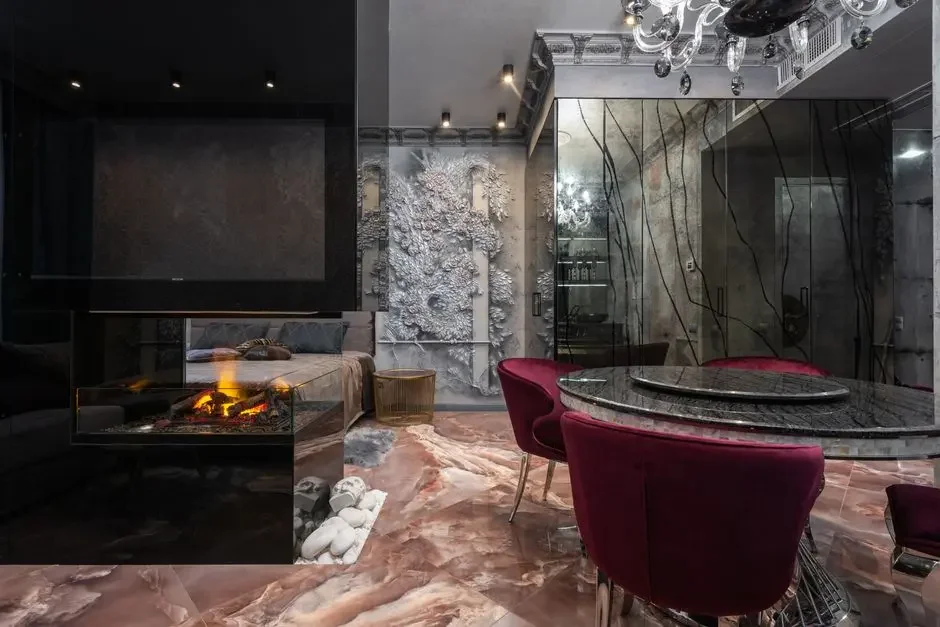
1. Sophisticated Color Palette
A sophisticated color palette is often the backbone of luxury interiors, providing a visual foundation that ties the entire room together. By selecting muted tones or rich, deep hues, you can create an immediate impression of elegance and calm sophistication. The choice of colors is not merely about aesthetics; it influences the mood and atmosphere of the space. For instance, using soft, neutral shades can evoke a sense of tranquility, making the space feel open and inviting. Alternatively, darker, bolder colors like navy or charcoal can add an air of drama and grandeur, providing an intimate and cozy ambiance.
Moreover, the use of color can highlight architectural elements and define areas within a room, further enhancing the sense of luxury. Incorporating complementary accent colors through accessories, such as throw pillows or artwork, can create visual interest while maintaining the room's overall cohesiveness. A carefully curated color palette not only elevates the design but also ensures a timeless appeal that remains stylish for years to come.
2. Quality Materials and Finishes
The quality of materials and finishes is paramount in luxury design. From marble countertops to bespoke wooden flooring, selecting high-end materials ensures longevity and adds a touch of opulence to any space. The tactile nature of premium materials like silk, leather, or polished metals doesn't only elevate the aesthetic but also enhances the sensory experience of the environment, creating a truly immersive space.
When considering materials, it's essential to think about how they harmonize with one another across the space. The juxtaposition of different textures—such as the smoothness of leather against the roughness of raw wood—can create a balanced tension that adds depth. Moreover, incorporating traditional materials with contemporary finishes can bridge classical design principles with modern aesthetics, resulting in a sophisticated and timeless look. Remember, investing in quality materials not only showcases craftsmanship but also supports sustainability, ensuring your luxury interiors withstand the test of time.
3. Statement Lighting Features
Lighting can transform a room, making it essential to choose statement pieces that add drama and elegance. Consider chandeliers or modern, sculptural lamps that complement the overall design while providing ample illumination. A focal point in any luxury interior, lighting should be both functional and aesthetically pleasing, accentuating design elements and creating a layered sense of light throughout the space.
Besides fixed lighting fixtures, incorporating adjustable, ambient lighting enhances flexibility, allowing the mood and style of a room to be manipulated according to time and function. Illuminating art pieces or architectural details with spotlights can highlight features, drawing attention to the bespoke elements that make a design unique. Remember that the warmth and color of the light also play a critical role; warmer tones can create an inviting, cozy feel, while cooler lights may be better suited to modern or minimalistic designs.
4. Custom and Personalized Elements
Luxury design often involves a bespoke approach, incorporating custom furniture, artwork, or finishes. Personalized touches not only reflect the homeowner's personality but also set the space apart as unique and exclusive. From custom cabinetry to hand-painted murals, these elements infuse spaces with individuality and character in a way that mass-produced items simply cannot match.
Engaging with artisans for bespoke design pieces allows for a creative synergy that results in truly one-of-a-kind interiors. Collaborative efforts with designers, artists, and craftspeople enable the realization of a client's vision through thoughtful, tailor-made solutions. This ensures that each project is not just about aesthetics but becomes a narrative that tells the story of the people living within it. Personalization can range from incorporating family heirlooms in unexpected ways to crafting unique architectural features that echo the client's tastes, turning a home into a highly personal sanctuary.
5. Comfort and Functionality
True luxury seamlessly combines comfort with style. Furniture should invite relaxation, yet reflect a sense of bespoke elegance that defines high-end design. It's important to find pieces that not only look exquisite but also provide the needed support and ergonomics, ensuring that comfort is never compromised for the sake of design.
Functional layouts play a crucial role in creating a luxurious space that is both livable and aesthetically pleasing. By optimizing the flow of a room, you ensure that every area serves a purposeful function without sacrificing visual harmony. From cleverly designed storage solutions that maintain a clutter-free environment to intuitive technology integration for enhanced living, balancing functionality with beauty is key. Making sure each space feels effortless while remaining perfectly in tune with the client's lifestyle is what elevates a design from merely stylish to genuinely luxurious.
6. Integration of Nature
Bringing elements of the outdoors inside can add a sense of peace and tranquility to a luxury space. Incorporate elements such as indoor plants, large windows, or natural stone to harmonize with your interiors. This connection with nature not only enhances the serene ambiance but promotes wellness by fostering a restful environment that invites relaxation.
Biophilic design principles, which emphasize the inherent human attraction to nature, suggest incorporating features like vertical gardens or water features to further enhance this natural connection. Large windows that allow natural light to flood in create a bright and uplifting atmosphere, while using materials like wood and stone echo the beauty of the outdoors, imbuing interiors with a warm, organic feel. By thoughtfully integrating these elements, you create spaces that nurture the senses, bridging the boundary between inside and out seamlessly.
7. Attention to Detail
Luxury lives in the details. Thoughtfully curated art, intricate textiles, and delicate decor items contribute significantly to the overall ambiance and sophistication of the space. These subtle touches create a layered richness, inviting exploration and appreciation of the finer aspects of the design.
Every element in a luxury interior should speak to the quality and intention behind the space's conception. From the precision of tightly mitered joinery to the choice of a particular fringe on a cushion, each detail exemplifies the care and thought invested in creating an environment that truly harmonizes beauty and function. This level of meticulous curation extends to the choice of scents, such as fresh flowers or subtly incorporated aromatherapy, that evoke a sense of comfort and luxury, rounding out the sensory experience in a sophisticated and understated manner.