
7 Ways to Transform Boutique Hotel Interiors for a Memorable Guest Experience
Stepping into a boutique hotel should feel like entering another world—one where design, comfort, and luxury blend seamlessly to create an unforgettable atmosphere for guests. Whether you're a hotel owner or an interior designer, these tips will help you transform your space into a haven of style and sophistication.
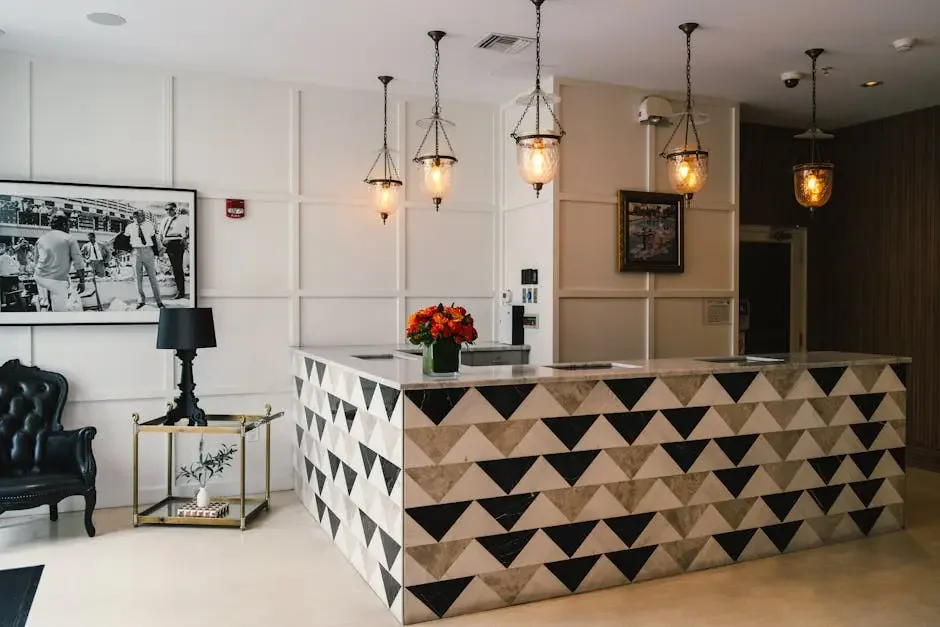
1. Embrace Local Culture and Artistry
Incorporating local art and culture into your interiors not only sets your hotel apart but also creates an authentic experience for visitors. By showcasing pieces from local artists or using locally sourced materials, you offer guests a tangible connection to the area's heritage and vibrancy.
Consider collaborating with area artisans to feature rotating exhibits or exclusive pieces that tell a story about the local community. This approach not only enriches the hotel atmosphere but also supports local talent. Engaging with local culture can extend beyond visual arts by weaving in regional music, culinary flavors, and even architectural elements that reflect the destination’s charm, creating a holistic cultural immersion for guests.
2. Prioritize Comfort and Functionality
While aesthetic appeal is vital, ensuring your spaces are comfortable and functional is crucial. Opt for plush furnishings, intuitive layouts, and adaptive spaces that accommodate different guest needs, ensuring everyone feels at home.
It's essential to not overlook the power of versatile spaces. Multifunctional furniture and adaptable room layouts cater to both work and leisure, making your hotel a welcoming retreat for all travelers. For instance, incorporating convertible sofas or foldable desks can maximize utility without compromising on style, ensuring a comfortable experience regardless of guests' intentions—whether they are there for business, relaxation, or exploring the locale.
3. Implement Sustainable Design Practices
Sustainability is more than a trend—it's a necessary aspect of modern design. Using eco-friendly materials, energy-efficient lighting, and water-saving fixtures not only benefits the environment but also appeals to the eco-conscious traveler.
Consider implementing a comprehensive sustainability strategy that includes sourcing locally-produced foods for the hotel restaurant or employing renewable energy sources like solar or wind power. Additionally, you can integrate eco-friendly practices by utilizing recycled materials in décor and furnishings, which imbues the space with a sense of ecological mindfulness and commitment. Your commitment to the planet can become a part of the hotel's identity, setting you apart in a landscape where environmental responsibility increasingly influences consumer choices.
4. Create Inviting and Unique Common Areas
The heart of social interaction in any hotel is its common areas. Design these spaces to be inviting, with cozy seating options and unique decor elements that encourage guests to linger, socialize, and enjoy the ambiance.
In crafting these areas, think of them as focal points that encapsulate the hotel's theme and atmosphere. Use elements like original art installations or interactive displays that not only serve as conversation starters but also elevate the visual appeal of the space. For instance, a thoughtfully placed library corner with a curated selection of books or a gallery showcasing stunning photography can transform a simple lounge area into a hub of creativity and relaxation.
5. Integrate Technology Seamlessly
Today's travelers expect the convenience of technology during their stays. Smart room features, keyless entry, and custom app experiences not only make their stay easier but add a layer of luxury and innovation to your hotel.
However, it's important that these technological advancements blend effortlessly without overshadowing the personal touch that defines boutique hotels. Smart technology should enhance the stay, from automated room controls that personalize the experience to virtual concierge services that ensure a human touch in all guest interactions. By integrating these features with a unified approach, technology can seamlessly align with the hotel's ambiance, offering convenience without compromising charm.
6. Personalize the Guest Experience
Personal touches can make all the difference in creating a memorable guest experience. From curated welcome gifts to personalized room settings, these thoughtful details demonstrate a commitment to guest satisfaction and comfort.
Delve into personalization by identifying subtle yet impactful ways to surprise and delight. Consider details such as customized digital welcome messages or handwritten notes that provide a warm and personal touch. Integrating guest history to tailor room scents, music playlists, or amenities can elevate the guest experience, forging a personal connection that guests will warmly remember and likely share with others.
7. Use Color and Texture to Set the Mood
Colors and textures are powerful tools in interior design. They influence mood and perception, so opt for a palette that harmonizes with your overall theme. Mixing various textures adds depth and character to spaces, making them more inviting and visually engaging.
Experiment with color theories and texture combinations to evoke specific emotions and atmospheres. Soft, muted tones can create a serene retreat, while bold, contrasting colors add vibrancy and energy. Additionally, the tactile quality of materials—like the soft touch of velvet, or the rustic charm of reclaimed wood—creates layers within the decor that invite guests to not just see, but feel the essence of the space. These nuanced touches can transform every corner of your hotel into an immersive design experience.