
What Are the Key Elements in Creating Sanctuary Spaces?
Creating a sanctuary space in your home or office can offer a refuge from the hustle and bustle of daily life. These spaces are designed to promote peace, relaxation, and rejuvenation. But what are the essential elements that make such spaces truly special? In this guide, we'll explore the key elements you need to consider, drawing inspiration from your travels to make your sanctuary space unique and personal.
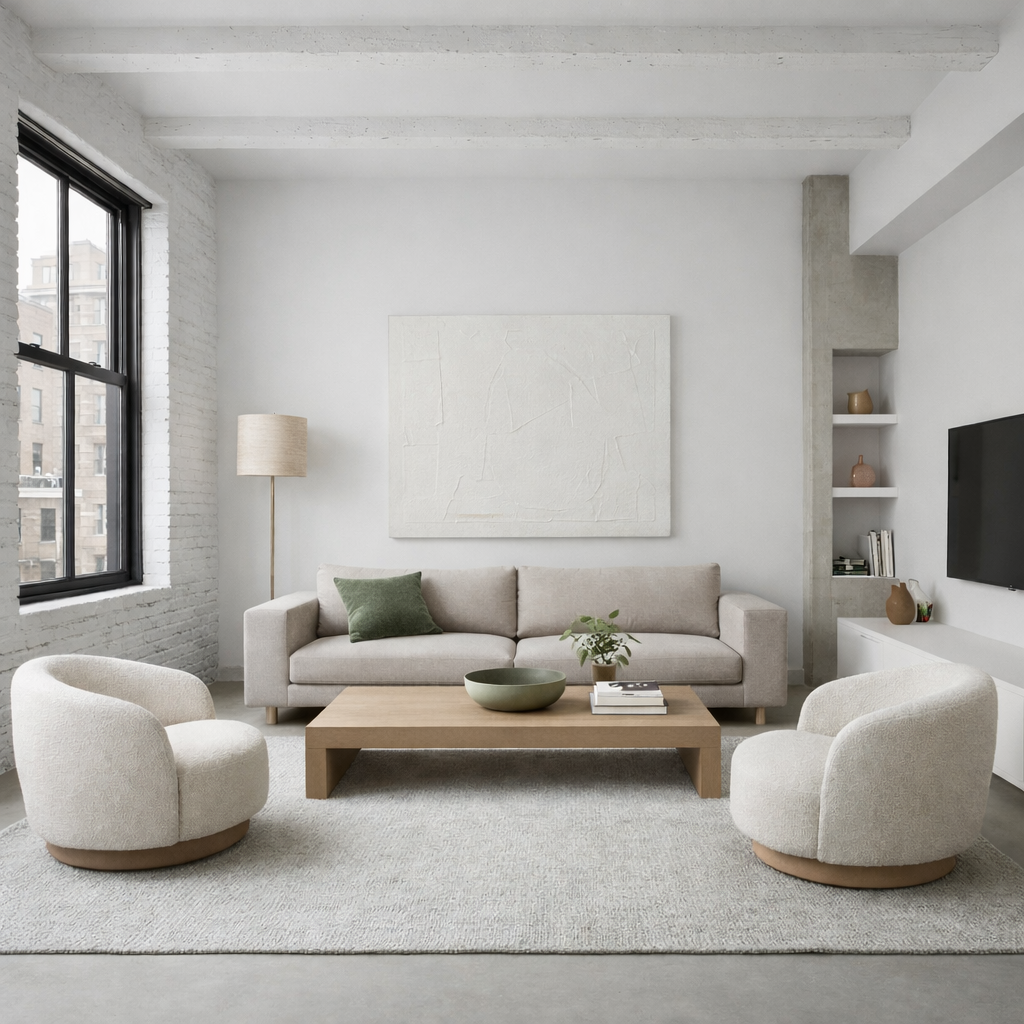
Understanding the Purpose of Your Sanctuary Space
Start by considering what you need from your sanctuary space. Is it a place for meditation, a cozy reading nook, or perhaps a quiet spot for reflection? Clarifying the purpose will guide your design choices.
Identifying the key purpose of the space helps in selecting elements that align with your inner needs and daily routines. A space designed for yoga might prioritize open floor space, while a writing sanctuary could highlight ample desk space and comforting ambience.
Remember, the ultimate goal is personal peace and rejuvenation. This process can be as introspective as choosing to surround yourself with items that nurture your spirit.
Choosing Calming Colors and Textures
Select colors and textures that promote tranquility. Soft, muted tones and natural materials create a serene atmosphere. Think about how the hues and textures you loved in your travels can inspire your color palette.
Colors significantly influence the energy of a space. While blues and greens are traditional choices for calm, drawing inspiration from travel, you might find soothing terracottas or Pacific-inspired greys invite a sense of calm that resonates with you.
Incorporate textures like smooth pebble stones or woven fabrics that you’ve encountered during trips and vacations. These elements add depth and tactile invitation to the space.
Incorporating Comfortable and Functional Furnishings
Furniture should be both comfortable and functional. Choose pieces that encourage relaxation, like plush chairs or inviting throw blankets. Consider the layout to ensure it's conducive to the activities you plan for your sanctuary.
Prioritize furnishings that support your preferred activities. For instance, if your sanctuary includes reading, a chair with good lighting and ergonomic support is essential. Blend aesthetic appeal with practicality to sustain comfort.
Opt for multi-functional furniture, such as a storage ottoman or a convertible sofa. These can maximize utility in smaller sanctuary spaces while maintaining a cozy feel.
Maximizing Natural Light
Light plays a crucial role in setting the mood of a space. If possible, position your sanctuary in a room with ample natural light. Utilize sheer curtains or strategically placed mirrors to enhance the light.
Natural light is unparalleled for uplifting spirits. It’s known to positively affect mood and increase productivity. Position furniture to face windows or adjust reflective surfaces to distribute light beautifully around the room.
Use window treatments that manage light intensity without blocking it completely, allowing you to enjoy both the sunlight and the privacy of your retreat.
Adding Personal Touches and Travel-Inspired Elements
Infuse your sanctuary with personal touches that bring you joy, such as mementos from your travels. These details will make the space comforting and uniquely yours, serving as reminders of cherished memories.
Consider incorporating artifacts or textiles gathered from travels, whether it's a Moroccan rug or pottery from the Greek Isles. These can serve as beautiful and meaningful accents.
Travel-inspired elements can also extend to scents. Use candles, incense, or essential oils that remind you of places you've visited and loved. Scents are powerful memory triggers, enhancing emotional well-being.
Crafting Your Personal Sanctuary Space
Designing a sanctuary space is about creating an environment where you feel relaxed and at peace. By incorporating elements such as comfortable furnishings, calming colors, natural light, and personal touches inspired by your travel experiences, you can craft a space that not only looks beautiful but also supports your well-being. Remember, your sanctuary is a reflection of you, so let it evolve as your tastes and needs change.